
Why We Need More Allotments

The impact of Climate Change and Global Events on Food Security, and why everyone in the UK will need an Allotment
Introduction
The ladies and gentlemen of the Council will know me through my work as a volunteer for NADCAA over the past 28 years. With the help of all the other volunteers who have served on the Association’s Committee during that time, we have moved the Association forward and worked with the Council to create a better, more resilient and environmentally friendly Association, and a community spirit now runs through the membership where none existed before. The allotment fields are well cultivated and we have made huge strides during that time. However, we all face serious threats to the food chain due to climate change and more recently global conflicts which have impacted food production and delivery. It is my hope that this report will explain why, going forward, those threats are going to require more allotments across both this town, and the country as a whole. Perhaps the Town Council can use it as a basis to acquire more land for allotments going forward?
For nearly 30 years, I have maintained an allotment, where my wife and I grow our own fruit, vegetables and flowers. My family’s tradition of self-sufficiency extends back to my grandfather and father. The two world wars instilled in them a need to prioritise growing their own produce as a means of sustenance and self-sufficiency. This personal experience underscores the enduring value of allotments and home gardening, which have evolved significantly over time.
I have produced this document to try and illustrate the global impact of climate change and global conflicts on all our lives. Climate change alone puts one fifth of our favourite grocery items at risk: bananas, coffee, cocoa, tea, peas and avocados to name but a few. Also at risk, are crops like citrus fruits, peppers and tomatoes, whilst staple crops such as wheat and maize failed around the world in 2024, and even if you don’t drink cocoa it is used in the manufacture of soap and skin products, something we all need. This is before we even consider the effects the oil crisis will inevitably have on all of us.
Of the top 25 biggest food exporters to the UK, eight – Brazil, South Africa, India, Vietnam, Peru, Colombia, Ivory Coast and Kenya are listed as vulnerable due to climate change, affecting 22% of our favourite grocery items.
Historical Context of Allotments
Initially, allotments gained popularity among communities considered economically disadvantaged. The stereotypical image of an allotment gardener, was often of a cap wearing elderly man with a battered old bicycle, symbolic of a modest, survival-orientated approach. Today, however, this outdated image is no longer relevant. Modern allotment enthusiasts include young men and women, often with children, riding or driving eco-friendly bicycles and cars. The motivation for maintaining an allotment has expanded beyond mere survival to encompass health, community, and environmental concerns. Concerns NADCAA has been highlighting for many years.
Modern Motivations for Growing Your Own
Today’s gardeners seek more than just sustenance - they pursue:
- A healthy lifestyle with pesticide and herbicide free produce
- Engagement in community activities that encourage social bonds
- Environmental impacts such as reducing carbon footprints and pollution
- Re-connection to nature that benefits mental and physical well-being
- Caring for the wildlife that we are all dependant on
Environmental and Societal Benefits of Homegrown Produce
Growing your own fruit and vegetables offers numerous advantages that extend beyond personal health:
- Reduction in Food Miles: Cultivating crops like apples, cherries, pears, peppers, cabbage, carrots, potatoes, and tomatoes locally, diminishes the need for long-distance transportation, thereby reducing pollution.
- Lower Resource Consumption: Less shipping decreases the demand for raw materials used in manufacturing and running large container ships, planes and lorries, all significant sources of pollution, including the environmental impacts associated with mining and processing these materials.
- Decrease in Plastic Packaging: Reduced commercial cultivation leads to less reliance on single-use plastic packaging, benefiting the environment by decreasing plastic waste and pollution during production and disposal.
- Chemical Residue Reduction: Homegrown produce, especially when grown organically, is free from chemical residues found in most commercially grown crops due to pesticide and herbicide use.
- Lower Chemical Production Emissions: Reduced demand for pesticides and herbicides results in decreased production emissions, contributing to lower overall environmental impact.
- Physical and Mental Well-being: Visiting an allotment provides physical activity and mental relaxation, with the added benefit of harvesting fresh, chemical-free produce.
- Economic Benefits: With careful planning and crop rotation, the costs associated with allotment rent can be offset by the savings on purchased produce.
- Educational Opportunities: Many young people, increasingly disconnected from traditional “grow your own” methods, are learning vital skills and reconnecting with the land through allotment gardening.
- Community and Solitude: Allotments serve as social hubs fostering friendships and community spirit, or as peaceful retreats for solitude and reflection.
Emerging Concerns:
Synthetic Chemicals
Key synthetic chemicals essential to the food system are linked to rising cancer, neurodevelopmental problems, infertility, and damage to global agriculture. Health and ecological costs are substantial, with about $2.2 trillion in annual health burdens from phthalates, bisphenols, pesticides, and PFAS (Forever Chemicals), plus at least $640 billion in ecological costs. Potential demographic consequences include an estimated 200–700 million fewer births from 2025 to 2100 if exposure continues. The focus is on four chemical families—phthalates, bisphenols, pesticides, and PFAS—due to their prevalence, study depth, and demonstrable harm.
Chemicals In Flowers
Florists face unseen pesticide risks across the floral supply chain. From field to bouquet, exposure can occur through handling flowers, even when purchased locally. Pesticides are used to protect blooms and maintain uniform appearance, but skin contact or inhalation can happen with prolonged exposure.
Unlike food, there is no universal residue limit for flowers in the EU, UK, or US, elevating concerns for workers and florists. France has been a focal point for recognising pesticide harms in floristry; a prenatal exposure-related death brought attention to the issue and led to the Pesticide Victims Compensation Fund.
Systematic data is scarce, but available research links parental occupational exposure to adverse paediatric outcomes, including cancer and neurodevelopmental disorders.
Historical and contemporary studies show broad exposure: a 1990 Colombian study found thousands of flower workers exposed to multiple pesticides with indications of pregnancy-related risks; in 2018, analyses of 90 bouquets identified 107 pesticides, with many detected in florists’ urine, despite the use of protective gloves. Some pesticides are carcinogenic or endocrine disruptors and face regulatory action.
Food Security
Recent data from Carbon Brief’s interactive map (February 14, 2025) highlights the global impact of climate-related disasters, e.g. the droughts, floods, storms and wildfires that have devastated crop production worldwide. Many staple crop producing countries are severely affected, and with a decline in the number of UK farmers able to sustain traditional farming practices, the risk of future food shortages becomes increasingly imminent.
Crop Failures
Recent analyses highlight the increasing vulnerability of global food production systems to extreme weather events and climate change. Crop failures of staples such as maize, wheat, barley, potatoes and rice are becoming more frequent and severe, affecting both commercial agriculture and small-scale growers. This report synthesises current data, global trends, and local implications, emphasising the urgent need for community-led food resilience strategies.
Global Context and Climate Change Effects
· Crop Damage and Extreme Weather Events:
Carbon Brief analysed over 100 media reports and data from organisations like the UN Food and Agriculture Organisation, revealing widespread crop damage from extreme weather between January 2023 and December 2024.
The IPCC’s Sixth Assessment Report (AR6) states with high confidence that such events are increasingly pushing agricultural zones beyond their climatic limits, threatening global food security. Experts warn that repeated and intensifying extremes will have profound impacts on agriculture worldwide.
Global conflicts in the Ukraine and the Middle East ripple beyond their borders, affecting food systems worldwide. These wars influence the UK food supply chain and growing your own fruit and vegetables can be a practical response.
The UK imports a significant share of its food and agricultural inputs. Disruptions in Ukraine affect grain, sunflower oil and fertiliser supplies, which can push up prices and tighten availability for food manufacturers and retailers. Sanctions, transport bottlenecks, and energy costs also raise logistics costs and influence consumer prices in the UK.
In the Middle East, indirect effects show up as higher global oil prices, strained fertilisers and seeds markets, and volatility in regional trade routes. These factors can compound existing inflationary pressures, disturb seasonal imports, and threaten the stability of staple foods that the UK relies on through complex international networks.
Supply chain resilience is further tested by export controls, port disruptions, and the need to adapt to ever-changing geopolitical risks. The result is greater price volatility, potential shortages of some fresh produce, and a slower pace of diversification in imported goods.
Growing fruit and vegetables at home or in community spaces can reduce exposure to market fluctuations and rising prices. It also increases resilience by providing a local, understandable source of fresh produce, especially for staples like leafy greens, herbs, and root crops. Additionally, home growing can encourage better food literacy and reduce waste when careful planning, harvesting and storage are practiced.
Conclusion - While global conflicts pose real risks to UK food prices and availability, growing your own produce offers a practical, empowering response. It enhances personal resilience, supports healthier eating, and fosters community connections, all while contributing to a more self-reliant food system.
· Implications for Food Production:
Many crops cannot be cultivated on small allotments due to space and climate constraints. However, climate change also presents new opportunities for growing crops like peaches, lemons, and grapes, provided conditions remain favourable. Conversely, adverse weather patterns, such as the recent summer’s changing conditions, threaten traditional growing practices. On allotments “No Dig” gardening is becoming increasingly popular, it retains moisture, benefits soil health, creates a whole new environment under the soil where wildlife can flourish and even in hot summers still provides good crops.
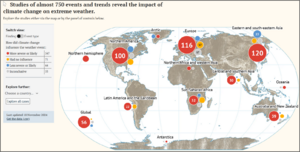

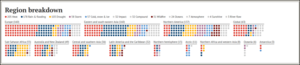
Illustrations from the Carbon Brief Website
Interactive Map
Carbon Brief Interactive Maps can be found by following these links –
https://interactive.carbonbrief.org/attribution-studies/index.html
https://interactive.carbonbrief.org/crops-extreme-weather/index.html
Scroll down and click on the maps for more information.
Local and Community Responses
- Allotment Gardening as a Resilience Strategy:
Allotments serve as vital community resources for food production, recreation, and mental well-being. Examples from Russia and Germany illustrate long-standing traditions of small-scale food cultivation:
- Russia’s “Dacha” system involves millions of citizens owning plots for food and leisure.
- Germany’s Schrebergärten (small rented plots) are cultural institutions promoting urban green spaces, community, and sustainable food production.
- UK Context:
The UK has approximately 330,000 allotment plots, with demand surging due to rising food insecurity and environmental concerns. In 2023 the Guardian reported that over 157,820 applications for allotments were pending, with some people waiting up to 15 years for a plot. This is an increase of 200% over a twelve year period. The increase in demand reflects a societal shift towards self-sufficiency, sustainable living, addressing environmental concerns and being part of a community after Covid 19.
- Statutory Rights:
A much-overlooked Act of Parliament, gives every single person in the Country a statutory right to a full-sized allotment plot. Yet all Councils aren’t given the money to supply them. Waiting Lists are longer than ever and with some sites so popular, some people are having to literally wait for an existing tenant to pass away before being able to get one.
- Challenges in the UK:
Despite long waiting lists, many allotment sites face closure due to poor management, exacerbating waiting lists. Campaigns by organisations like the NAS and Greenpeace advocate for integrating allotments into new developments and better management of existing sites. With regard to new allotment sites delivered under a 106 order in the planning process, there is a disconnect between the people with all the knowledge regarding allotments (the allotment associations) and the developers. As a result, they do not always deliver allotments to a standard that makes them an asset to the Council or the tenants that rent them. The rising demand underscores the importance of community-led food resilience.
Economic and Policy Considerations
- Dependence on Imports:
The UK’s reliance on imported fruits and vegetables is increasing:
- UK Vegetable imports were 47% in 2023. (Source UK Food Security Report 2024)
- UK Fruit imports were 84% in 2023. (Source UK Food Security Report 2024)
This dependency makes the UK vulnerable to global supply disruptions caused by climate change, geopolitical conflicts, and economic pressures.
Agricultural and Ornamental Trade:
Imports of flowers and plants have fluctuated due to weather impacts in supplier countries like the Netherlands. Domestic production of flowers and plants is often limited by chemical use and import reliance.
Challenges Facing UK Farmers:
UK farmers face financial pressures, with reduced winter silage and crop failures due to unprecedented heatwaves and droughts. European countries experiencing extreme temperatures are also witnessing crop failures, further threatening import supplies.
The current oil crisis is impacting farmers, with some saying they won’t be able to afford to plant crops this year, something that will inevitably lead to food shortages and higher prices going forward.
Why UK Farmers Are Exiting Farming:
Economic viability and risk management for farming face a convergence of persistent cost pressures, policy complexity, and market volatility. Across the board, high and rising input costs for feed, fertiliser, fuel, and energy clash with volatile farmgate prices, squeezing margins. Post-Brexit market access remains uncertain for several products, while debt and capital costs for machinery, technology, and improvements rise, complicating investment timelines. In supermarket supply chains, obtaining price premiums is increasingly difficult, and cashflow pressures from late payments and price swings amplify financial risk.
Land access, tenure, and succession, present structural hurdles. An ageing farmer population, rising land prices, and tenure insecurity deter long-term investment and effective succession planning. Labour and skills persist, driven by reliance on seasonal or non-EU workers, rising wages, and challenges in recruiting skilled staff. Remote management adds to productivity pressures, while market structure pressures from large retailers, global competition, and volatile input markets compress margins and amplify risk.
Climate, weather, and risk management become more critical as extreme events increase costs and insurance options tighten. Mental health and wellbeing issues emerge from financial and climatic stress, alongside social factors such as succession concerns. Infrastructure gaps, limited access to affordable land, and digital connectivity barriers hinder expansion and modern management. High upfront technology costs, rising biosecurity and environmental standards, and limited diversification options for smaller holdings compound risk, necessitating off-farm income or niche strategies. In worst-case global crop failures, food imports may shrink, risking domestic supply and price stability.
Crop Failure Due To Climate Change:
· If crops fail on a global scale (maize for example failed in 26 countries in 2024), then food imports will drop. At the end of the day people living in countries where there is a total or partial crop failure, will keep the crops to feed their own population rather than exporting it and risk starvation.
Recommendations
- Expand and Support Allotment Provision:
Local authorities and community organisations should prioritise increasing allotment availability, especially in urban areas, to foster local food resilience.
- Promote Community-Based Food Production:
Initiatives like shared wheat projects (e.g., Sheffield Wheat Experiment) and collective gardening can enhance local self-sufficiency.
- Policy and Government Action:
The government should support farmers transitioning to climate-friendly practices, regulate imports to reduce deforestation-driven commodities, and incentivise sustainable local food systems.
- Education and Awareness:
Encourage individuals to grow their own food and flowers, reducing reliance on chemical-laden supermarket produce and fostering mental well-being.
- Address Land Use and Development Policies:
Protect existing allotment sites from development and integrate green spaces into urban planning to ensure long-term community resilience.
Conclusion
The practice of growing your own food through allotments is more relevant today than ever before. It promotes health, environmental sustainability, community cohesion, and resilience against global food security challenges. Encouraging more individuals to engage in allotment gardening can contribute significantly to a more sustainable and secure future for all.
Because our climate won’t allow it, we can’t grow everything we purchase from the supermarket on an allotment. That said you can grow enough to sustain you for a good 10 months of the year if planned properly. The previous years onions and potatoes tend to run out in March, but very few crops can’t be frozen and our freezer contains crops from last year to keep us going. Not forgetting preserves that we have stored away.
The convergence of climate change, global economic pressures, and local community efforts underscores the critical need for proactive measures. Allotments are more than hobbies; they are essential components of a resilient food system. Immediate action by policymakers, communities, and individuals is vital to mitigate future crises and build a sustainable, self-sufficient society.
In WW2 everyone was encouraged to “Dig for Victory”, parks were planted with crops along with every space available and as a result people did not go hungry. With a little planning and encouragement everyone could enjoy a small plot where they could grow their own. As a result, instead of the UK growing just 25% of its produce before the war, after the war it was producing 75% of its produce, with 1.4 million allotments in use, producing three million tonnes of food by 1944. There were 6,900 pig clubs and 12 million birds were kept domestically.
A final word from me -
I was raised in a household where my father grew most of the fruit and vegetables we ate. As a young man I started to “grow my own” for various reasons but the main one was the thirty plus sprays that I read were applied to potatoes each year, one so lethal that the farmer cannot enter the field for a week after spraying. I didn’t want to live a life where I was being poisoned by the food that I bought and consumed.
Today my wife and I grow a huge amount of our own fruit and vegetables using the “No Dig” approach. We preserve, pickle and freeze large quantities of our produce and we share any surplus with others. We also grow our own flowers for the house, as those sold by the supermarkets are treated with chemicals to make them last longer and are harmful to those handling them.
In the “old days” what they called a full plot, was actually four plots today (about an eighth of an acre), the allotment gardeners were truly self-sufficient: they kept chickens, rabbits and a pig on one plot, vegetables fruit and flowers on the other three. They had eggs, meat that was smoked when the pig was slaughtered, rabbit was common in local butcher shops when I was a boy, all the fruit, vegetables and flowers that they wanted. Dairy products such as milk, butter and cheese and staples such as bread, were the only things they didn’t have.
All through my Primary School years there was only one child in the whole school who needed an inhaler because they suffered with Asthma. My wife retired from a lifetime of teaching eight years ago, by that time there was a box at the front of the classroom full of inhalers for children with various allergies. It is difficult to prove but I have had conversations with people far more knowledgeable than me regarding pesticides. PAN UK are very concerned about what they call the “Cocktail Effect”. Pesticides are tested independently to gauge their effects on human beings, before being passed for general use. What is not tested is what happens when half a dozen chemicals are used on a crop during its growing season. Nut allergies come to mind, nobody had nut allergies when I was growing up, however when you research how they are grown you find that their high fat/oil content means nuts readily absorb lipophilic (fat-loving) pesticides, concentrating residues in the kernel. Is this why people are developing such allergies? Food for thought!
The purpose of this document is to highlight what is happening on a global scale now, to give an insight into what most of us can see coming our way in the not-to-distant future and to give specific examples. My hope is that the pursuit of growing your own will once again become an important part of people’s lives. What is better for children today, go out and help their parents grow some healthy nutritious food, or sit in front of a phone, tablet or computer screen for hours?
Yes, land costs money. Yes, Councils are strapped for cash. Yes, the majority of people don’t see what is coming and yes, everyone has a statutory right to an allotment. I feel that there is a big wake-up call coming for all of us and we are, in general, totally unprepared!!
The message is clear - Be prepared, get an allotment!!!
Tim Callard
Chairman (NADCAA)
14.04.2026
Posted by Carla Winsborrow on April 30th 2026
 Updating page...